About Me
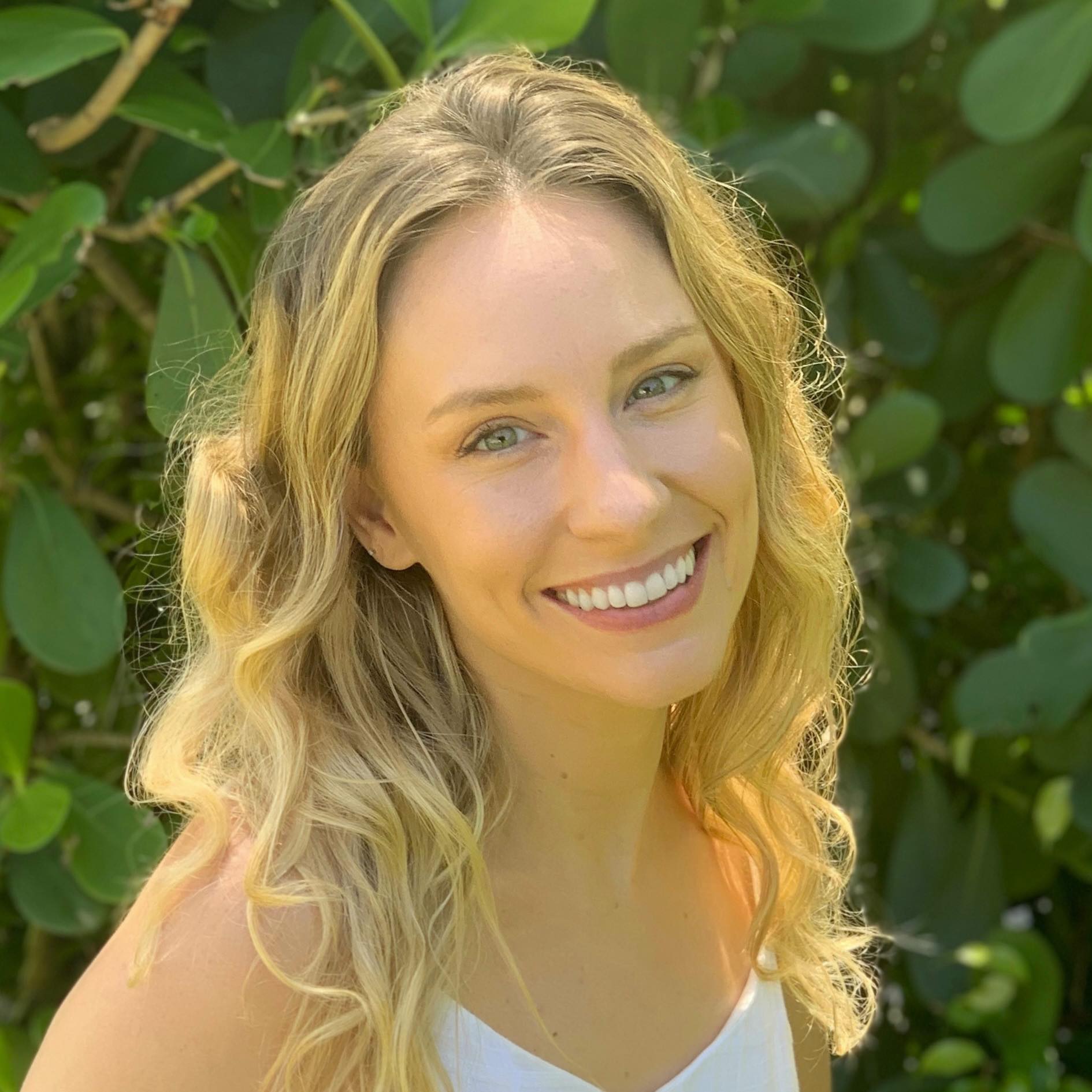
I come to complexity science and health from a winding, interdisciplinary path through physics, mathematics, biology, and clinical innovation. Before starting my PhD at Columbia, I worked in bioinformatics and systems biology, developing pipelines for transcriptomic and epigenetic analysis. I’ve also worked at the intersection of telemedicine and AI, using digital stethoscope data to classify benign vs. non-benign heart murmurs in clinical screening applications. Earlier in my career, I studied neurosciene in pediatric populations, analyzing DTI and EEG data to better understand neurodiversity.
Across all of these domains, one theme has persisted: I’m drawn to the challenge of understanding health as something more than a single point on a lab test. I now study physiological time series to explore how health unfolds dynamically over time and in response to stressors.
My current research blends complexity science, systems, epidemiology, and biology to develop new ways of measuring intrinsic health and resilience using wearable and Holter monitor data. I’m especially interested in how we can operationalize dynamic systems thinking in public health research and practice.
Outside of research, I love dancing, hosting themed parties (that occasionally include an ML component – iykyk), and designing radically self-expressing, low-MOOP outfits.
I believe science should be rigorous and joyful, creative and grounded - and always in conversation with the systems we live in.